


Dreame FM - Audiobooks & Story
4.411.67K Reviews
App Specs
- Version
- 2.0.1
- Updated On
- License
- Free
- Downloads
- 500,000+
- Developer
- GLOBOOK PTE. LTD.
- Categories
- Music & Audio
- Platform
- Android
Screenshots
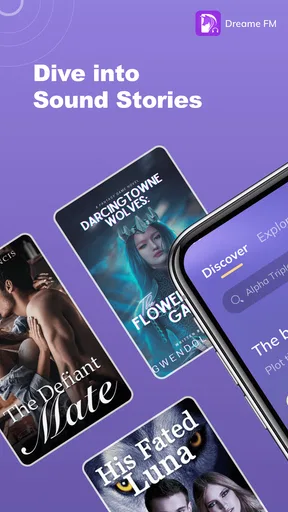
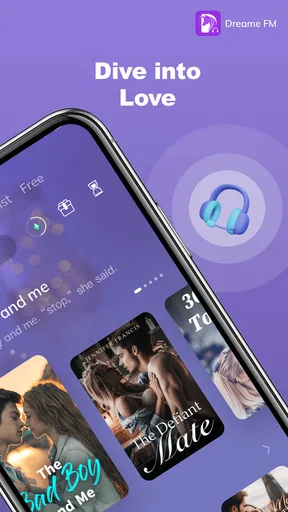
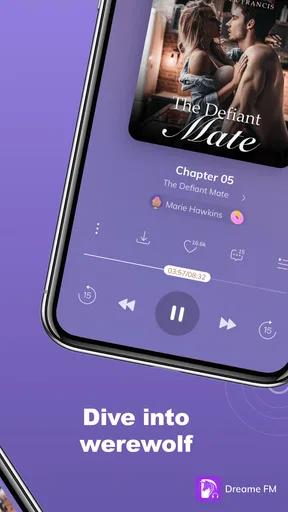
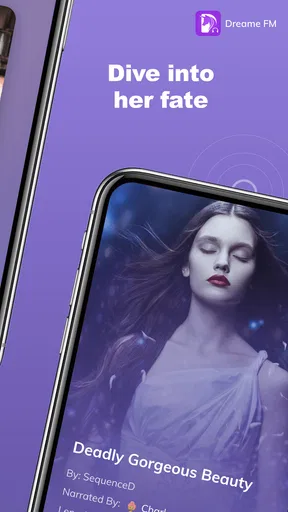
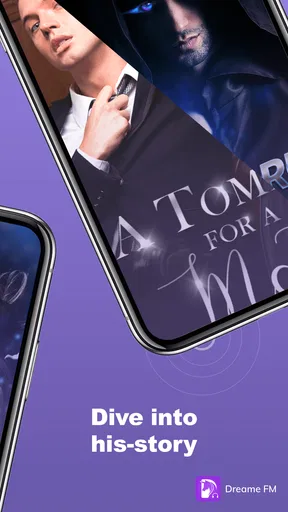
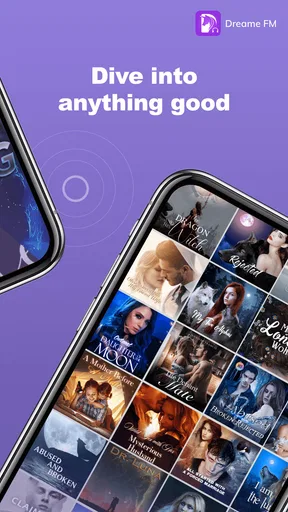
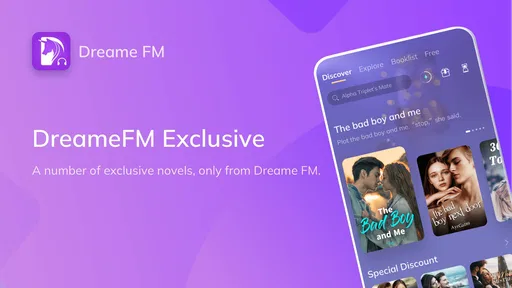
 Analysis by AppCompare
I spent time with Dreame FM - Audiobooks & Story as a listener who often switches between reading and audio during the day. It is a free music and audio app from GLOBOOK PTE. LTD., built around narrated romance, werewolf, horror, and other love-story content. That focus matters: this is not trying to replace a broad podcast player or a general music service. It is a story-first space for people who want serialized listening with a strong pull toward dramatic fiction.
My first impression was that the app makes more sense when treated as a listening routine rather than a one-off audiobook shelf. I could browse for a mood, start a story, and return to it later instead of searching for individual tracks. The experience is most appealing when I want something easy to follow while doing a repetitive task. At the same time, the mature orientation and romance-heavy catalog mean it will not suit every household or every listener.
How clearly the app supports different listeners
I find the app’s audio-first approach useful for listeners who want fiction without staying glued to a screen, but the best fit depends on what makes listening comfortable for each person. In this section, I’ll look at practical ways to shape a session around attention, sound sensitivity, and everyday routines, then consider where the format’s limits matter.
Readability and navigation during everyday use
The basic structure is approachable for anyone already comfortable with mobile audio apps. Story discovery is organized around titles and themes rather than the artist-and-album model used by music services. That makes the app feel more like browsing a digital fiction shelf. I found that useful when I knew the sort of atmosphere I wanted, but less useful when I was looking for a very specific author, narrator, or standalone book.
The strongest reading-related benefit is that the app gives audio its own role. I do not need to keep staring at the screen once a story is playing, which is helpful for listeners who find long blocks of text tiring or who simply prefer listening. For someone with changing energy levels, the same story can fit a quiet evening, a commute, or a short break. The app is easier to approach when I decide in advance whether I want romance, supernatural drama, or horror, because those broad expectations guide the browsing process.
There is also a practical difference between browsing and listening. Browsing asks me to look at cover art, titles, and descriptions, while listening can happen with the phone set aside. That split is important for people with visual fatigue, limited screen time, or difficulty maintaining attention on dense pages. I would still recommend increasing the device’s text size if the interface feels cramped, because operating-system text settings are more dependable than assuming every app presents labels in the same way.
One useful habit is to spend a few minutes choosing a story before starting a task. I found that better than repeatedly opening the app to make a decision while cooking or travelling. A story with a clear premise is also easier to resume than a random selection, especially when I have only a short listening window. This is a small workflow change, but it reduces the amount of visual navigation required once playback begins.
Worth Reading Before You Choose

Flipboard Shows What News Apps Must Do Beyond the Feed

Switching to Android Auto Means Rethinking Your Driving Routine

Google Calendar Makes a Crowded Week Easier to Manage

Ludo King Makes the Most of the Minutes Between Plans

Baby Panda World Brings Quick Play to Modern Phones, but Its Game Library Feels Busy

ESPN’s Live Game View Makes Following Close Games Easier
People who depend on large, highly adjustable text, strong contrast, or carefully labeled controls should judge the current interface on their own device before committing to long sessions. The app’s main attraction is the audio content, not a promise of specialized accessibility tools. In my experience, the phone’s own display and audio settings do much of the work, so the result can vary noticeably between devices.
Motor and sensory considerations
Audio storytelling naturally reduces the need for continuous touch input. Once playback is underway, I can listen without holding the phone, which is convenient for anyone who has difficulty with prolonged tapping, swiping, or maintaining a fixed grip. It also works well for people who want to rest their eyes. This is one of the clearest strengths of a spoken-story app compared with reading a novel on a small screen.
The trade-off is that discovery still requires interaction. Selecting a title, moving through the catalog, and returning to a story can involve repeated taps and scrolling. For a listener with limited dexterity, the best approach is to minimize those transitions: choose a title in a comfortable setting, begin playback, and avoid treating the app like something that needs constant supervision. A phone stand or voice-controlled device operation may help, although those options depend on the user’s hardware and operating-system support rather than on the app itself.
Sound sensitivity deserves equal attention. Romance and horror narration can include emotionally intense scenes, sudden changes in tone, or suspenseful moments. I would begin at a low volume and adjust gradually, particularly when using headphones. Speakers can be more comfortable than in-ear listening for some people, while others may prefer headphones to keep the volume modest in a noisy environment. The important point is to make the audio setup fit the listener instead of assuming that one listening method works for everyone.
For someone who is easily distracted, serialized fiction can be both helpful and difficult. A continuing plot gives the mind a clear thread to follow, but dramatic cliffhangers may also encourage longer sessions than planned. I get better results when I use a natural stopping point, such as the end of a chapter or a scheduled break, rather than waiting until I feel completely finished. That is especially relevant for listeners who need predictable routines or who find sudden interruptions frustrating.
Listeners with hearing differences should consider whether the app’s available presentation suits them before relying on it as their main source of entertainment. Audio is the central format here, so it is not the same as an ebook with adjustable text. If spoken dialogue is hard to follow, background noise and speaker quality become important. I would test a short session in the actual environment where the app will be used, because a quiet room and a busy street produce very different results.
Situational access: where it fits best
A realistic use case for me is an evening of household chores. I can choose a romance or supernatural story beforehand, place the phone somewhere safe, and listen while folding laundry or preparing a simple meal. The app gives that routine a sense of continuity without requiring the visual concentration of reading. It is also a reasonable companion for a repetitive commute, provided the listener handles the phone before travelling and does not browse while moving through traffic.
It can work well during low-energy periods when reading feels like too much effort. Instead of trying to keep my eyes on a page, I can follow a narrator’s voice and let the story carry the session. That makes it appealing to people who enjoy fiction but experience eye strain, fatigue, or difficulty sitting still with a book. I would not describe it as a clinical solution for any condition; its value is simply that listening removes one common barrier to enjoying a story.
The app is less suitable in places where concentration is already divided by safety demands. I would not browse its catalog while driving, cycling, crossing streets, or operating equipment. Even hands-free listening can become distracting if the plot is especially tense. The safest workflow is to select content before leaving, keep controls simple, and pause when the environment requires full attention.
It is also worth thinking about shared spaces. The mature 17+ content rating signals that this is intended for older listeners, and the themes may not be appropriate for children or for every workplace. Headphones can make private listening easier, but they can also reduce awareness of announcements and nearby sounds. For travel or public settings, one earbud, lower volume, or speaker listening may be more appropriate depending on local rules and personal safety.
At home, the app can serve different people in the same household if each person chooses stories carefully. A listener who wants romance may have a very different experience from someone looking for horror, even though both are using the same service. I would treat content selection as part of accessibility: the right emotional intensity, length, and subject matter can make the difference between an enjoyable session and one that feels overwhelming.
What remains difficult
The biggest limitation is focus. This is a specialized fiction app, so the experience is strongest for people who already like narrated romance and related dramatic genres. If I want classical music, independent podcasts, educational lectures, or a wide selection of nonfiction, I would choose a broader audio platform instead. A general audiobook service is also likely to be a better fit for someone who wants a conventional library organized around established book catalogs rather than ongoing story discovery.
The free entry point is helpful, but the presence of in-app purchases changes how I approach the catalog. I would explore the listening experience first and pay attention to what is available without spending. The listed purchase range runs from $0.99 to $104.99 per item, so the difference between a small optional purchase and a much larger one is substantial. I would set a personal budget before buying anything and avoid treating a cliffhanger as a reason to spend immediately.
That payment structure can also affect listeners who need predictable costs. Someone managing a strict entertainment budget may prefer a service with a clearly defined subscription or a library included in one payment. Here, the free download does not automatically mean every part of the experience will remain free. I see the app as easier to recommend to people who are comfortable sampling first and making deliberate decisions later.
Another barrier is the mature positioning. The app may be a poor choice for a child’s device, a family account shared without supervision, or anyone who wants all-ages stories by default. The genre focus can also be emotionally demanding. Horror may be unsuitable for sensitive listeners, while intense romance can become tiring if every session has a similar dramatic tone. I appreciate the variety within the app’s core identity, but I would not expect it to offer the neutral, low-stimulation atmosphere of a meditation or ambient-audio tool.
Long listening sessions bring ordinary practical concerns too. Battery use, headphone comfort, and the need to manage interruptions can matter more than the catalog when someone listens every day. I found it sensible to begin with short sessions, check whether the narration style feels comfortable, and only then build the app into a routine. That approach is especially useful for people who are sensitive to voices, pacing, or sustained sound.
Performance, platform details, and who should try it
The app was released on February 15, 2022, and the current version is 2.0.1. It supports Android 7.0 and later, which makes it accessible to people who keep an older compatible phone rather than upgrading frequently. That is a practical advantage, although the experience can still depend on the device’s speaker, storage, battery condition, and operating-system behavior.
Its store presence shows a 4.4 average from around 32 thousand ratings, with roughly 12 thousand written reviews and over 500 thousand installs. Those figures suggest an established audience without making the app a universal audio destination. I read that as a reason to try it for its specific story focus, not as proof that it will suit every listener.
The app is free to install, which lowers the risk of testing it. I would start by checking how quickly I can find a story that matches my interests, whether the narration is comfortable, and how naturally I can return to listening after a break. Those three checks tell me more than a store summary because they reflect the actual routine I expect to use.
I would recommend it to a friend who enjoys serialized romance, werewolf fiction, or horror and wants listening to fit around ordinary tasks. It is particularly appealing if reading on a phone causes fatigue or if a person wants a story that can continue while their hands are busy. I would be more cautious recommending it to someone seeking a huge all-purpose audiobook catalog, a child-friendly service, or a completely predictable cost model.
One of the more useful ways to approach it is as a mood-based companion. Choose a gentler romantic story for a quiet commute, reserve horror for a controlled setting, and avoid starting emotionally intense material immediately before sleep if suspense tends to keep you alert. That kind of deliberate matching makes the app feel more flexible than simply opening it and accepting the first title shown.
My inclusive verdict
Dreame FM - Audiobooks & Story works best when its strengths are understood clearly: it puts narrated dramatic fiction at the center, reduces the visual effort of reading, and can fit naturally into repetitive parts of the day. I like it as a focused listening space rather than as a replacement for every other audio app. The free starting point makes experimentation easy, while the mature content and optional purchases mean I would use it with some planning.
From an inclusion perspective, the audio-first format is the most meaningful benefit. It can help listeners who need a break from screens, have limited tolerance for extended reading, or want entertainment that does not demand constant hand movement. It is not automatically accessible for every person, though. Navigation, device settings, hearing needs, content sensitivity, and purchase decisions still shape the experience.
My final advice is simple: try a short story session in the exact situation where you expect to use the app. Test the volume, narration, controls, and emotional tone before building a routine around it. If those elements feel comfortable, this is a pleasant choice for romance and supernatural audio fiction. If you need broad nonfiction, all-ages material, captions, or a fixed-cost audiobook library, another kind of service will probably serve you better.
Pros
- Large library of audiobooks
- serialized fiction
- and original stories.
- Personalized recommendations help discover new titles quickly.
- Offline listening is useful for travel or areas with weak connectivity.
- Playback speed controls suit different listening preferences.
- Regular updates add fresh chapters and new audio content.
Cons
- Some popular stories require coins
- subscriptions
- or additional purchases.
- Content availability can vary by country and licensing agreements.
- Frequent notifications may feel excessive for some listeners.
- Audio quality and narration can differ noticeably between titles.
- Progress may be difficult to sync when switching between devices.
FAQs for Dreame FM - Audiobooks & Story
What is Dreame FM - Audiobooks & Story?
Dreame FM - Audiobooks & Story is an audio entertainment app focused on serialized fiction, audiobooks, and narrated stories. Its catalog generally includes romance, fantasy, drama, mystery, and other popular genres. Users can browse titles, listen to available episodes, follow ongoing stories, and discover new content through recommendations. The exact selection and availability may vary by country and over time.
Is Dreame FM free to download and use?
The app can typically be downloaded for free, but free access does not necessarily include the entire catalog. Some stories may offer introductory chapters, daily listening opportunities, advertisements, or limited access, while later episodes and premium content can require coins, credits, a subscription, or another in-app purchase. Before spending money, check the current pricing, renewal terms, and payment details shown in your app store.
Does Dreame FM support offline listening?
Offline listening may be available for selected content, depending on the title, account status, app version, and regional restrictions. When supported, episodes usually need to be downloaded while connected to the internet before they can be played without mobile data. Downloaded files may remain accessible only inside the app and can be affected by licensing changes, logout actions, storage limits, or app removal.
What kind of stories and audio quality can users expect?
Dreame FM mainly targets listeners who enjoy episodic fiction and narrated entertainment, with genres such as romance, fantasy, contemporary drama, suspense, and supernatural stories commonly represented. Audio quality can differ between productions because narration, editing, sound effects, and episode length are not always identical. It is worth previewing a title and checking its description before committing to a long series.
Is Dreame FM suitable for children and does it require an account?
The app may contain mature themes, romantic situations, violence, emotionally intense plots, or language that is not appropriate for younger listeners, so parents should review ratings and individual story descriptions carefully. Some features may work without immediately creating an account, but registration can be required for synchronization, purchases, saved progress, rewards, or access across devices. Review privacy permissions and account settings before signing up.


